Glaucoma can be tricky because symptoms aren’t always easy to notice at first. Take a moment to explore the common signs and risk factors so you know what to watch out for and when to talk to your eye doctor.
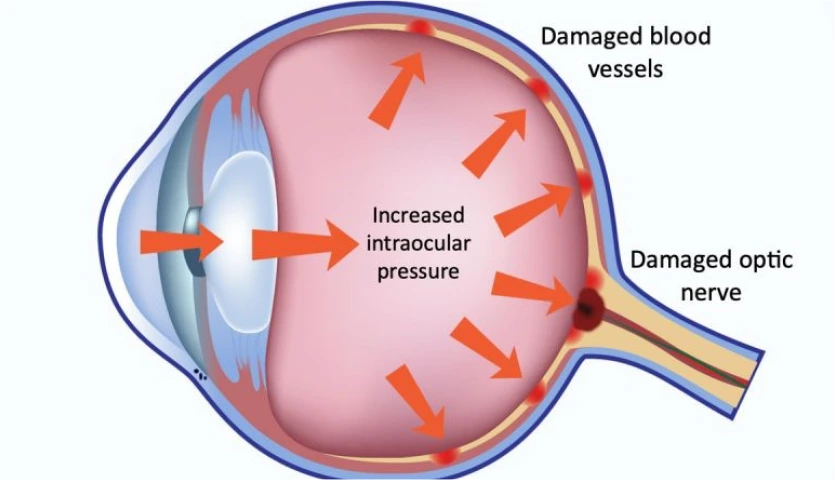
Open-angle glaucoma (OAG) is the most common type of glaucoma; it is an eye disease that damages the optic nerve due to increased intraocular pressure.
Doesn’t cause noticeable symptoms in its early stages but gradually shows symptoms like:
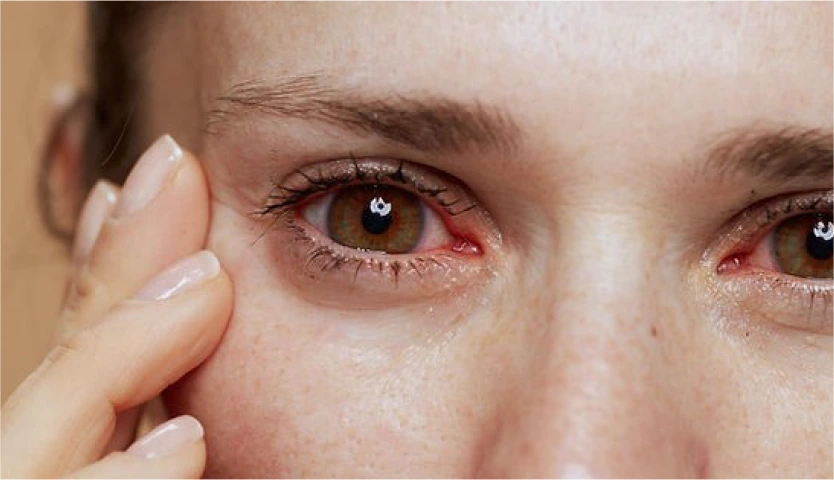
Angle-closure glaucoma, a type of glaucoma where the iris blocks aqueous fluid drainage, can cause sudden and severe symptoms, including:
Congenital glaucoma is rare but serious eye condition present at birth where the eye’s drainage system does not develop properly.
Secondary Glaucoma is caused due to underlying medical conditions or eye injuries which increase eye pressure leading damage of optic nerve.
From newborns to seniors, this silent eye disease has no boundaries. But certain people carry higher risk, and knowing where you stand could make all the difference.
As we age, so do our eyes and the risk of glaucoma rises with each decade.
Ethnicity matters. Genetics and anatomical differences make some populations more vulnerable, especially to specific types of glaucoma.
Glaucoma can run in families. If your parents, sibling, or grandparent has it your chances go up significantly.
Myopia has been found to be a significant risk factor for glaucoma.
Steroids, whether taken orally, inhaled, or as eye drops can raise eye pressure over time. Long-term use calls for extra caution.
This is the #1 modifiable risk factor. If your eye pressure is consistently elevated, your optic nerve is under threat even if you feel fine.
A thinner central cornea can distort pressure readings and silently increase your glaucoma risk.
Trauma to the eye can permanently alter fluid drainage, setting the stage for glaucoma years down the line.